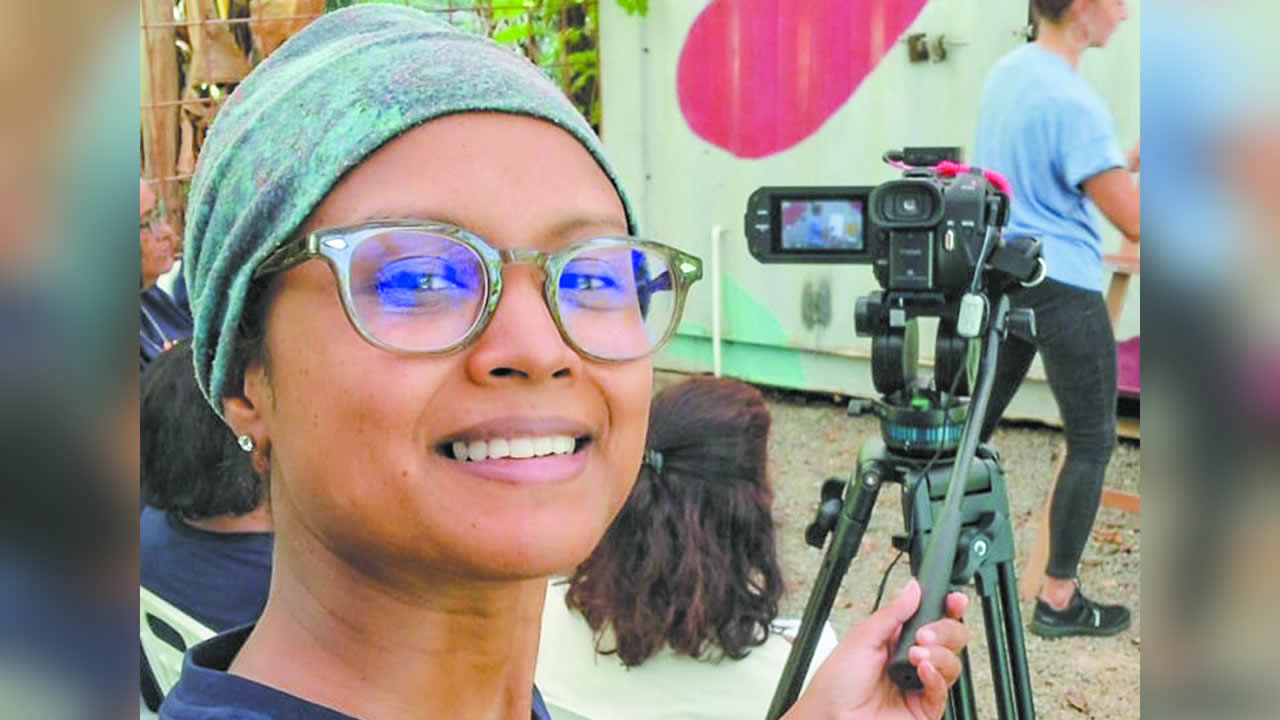
At 45, Astride Raghonauth decided to transform the economic crisis linked to inflation into an opportunity to return to her roots. A resident of Curepipe and passionate about her work in an agroecological field, she has made her kitchen a laboratory of creativity. At her house, the typical dinner is reinvented around a banana peel curry, a papaya fricassee or even moringa cookies.
Eating local is no longer a slogan, it is a survival strategy. “At the market, the price of cassava and sweet potatoes is soaring. It’s better to plant at home,” she believes. Serving meat or fish at every meal, once commonplace, has become a weekend luxury.
Faced with animal proteins that have become expensive, Astride fades gently. She leaves the spotlight to her children who still demand that familiar taste of meat or chicken, knowing that plant proteins are her best allies. “At home we have a motto: sharing. No one should be missing. This is a fundamental value that I want to pass on to my children, because sharing always begins under one’s own roof. »
This change, although imposed by the high cost of living, has become, for her, a driver of health: “This economic crisis has pushed me to finally put into practice what I told my children, in particular that eating locally means taking care of yourself. »
At home, we have a motto: sharing. No one should be missed”
Thanks to nutrition training focused on affordable products, she juggles accessible foods without ever sacrificing balance. His strength? A precise organization. At her place, everything is classified by category to avoid unpleasant surprises at the checkout. She adjusts every aspect of her spending to keep the kids’ activities and school a priority.
His easy pleasures of “ready-made” or ordering meals two or three times a week have disappeared in favor of homemade food. If children sometimes shy away from the absence of meat, Astride transforms these moments into educational discussions.
“We learn to do things differently and appreciate rarity. Not being in excess is good for our health. » The weekend remains, however, a time when she cooks more elaborate dishes to mark a break with the simplicity of the week.
However, behind this resilient smile, the fatigue is real. Coming home from work, the mental load is immense between making sure your children do their homework, planning meals and caring for your own parents so they don't weather the economic storm alone. Added to the busy days is the weight of the world, international tensions and the uncertainty that hangs over the future.
To get through this, Astride relies on autonomy and collective consciousness. Her garden has become her food bank, filled with nourishing plants. By involving the whole family in the fight against waste and planning
Enjoying Mauritius News in English?
You've used 1 of your 5 free articles today. Subscribe for unlimited access plus a daily newsletter.


![[Info Soirée] : "He wanted to burn the shop there"](/media/article_images/ad7f1cd9c711.jpg)