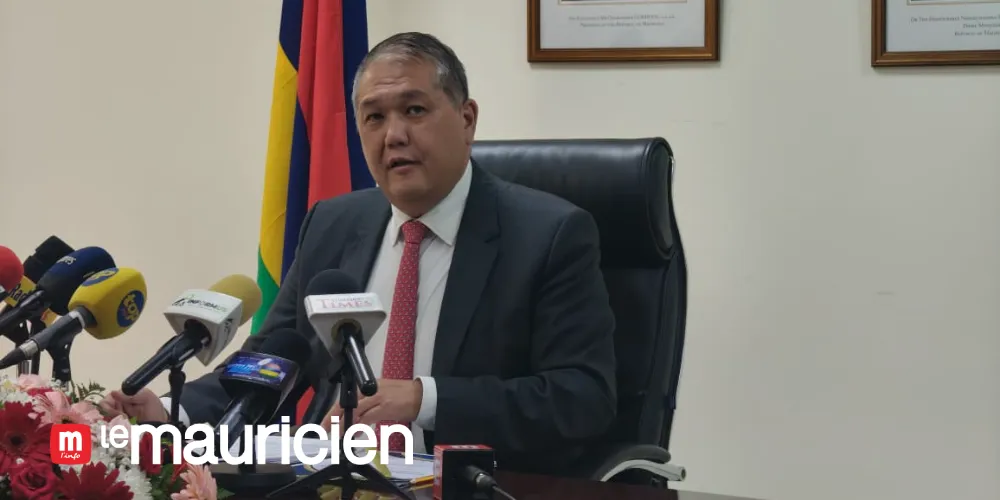
In the program Au coeur de l'info, hosted by Prem Sewpaul, the leader of the New Democrats, Khushal Lobine, and the Labor MP, Dr Farhad Aumeer compared their analyzes of current events.
In a context marked by pressure on the cost of living and international uncertainties, the question of the effectiveness of government action becomes acute. The program Au coeur de l'info thus opened a space for confrontation between two readings of the same reality: that of a vulnerable country, but whose causes and responses to be provided deeply divide.
From the outset, Khushal Lobine sets the scene by evoking a situation that he describes as critical, even unprecedented. “The situation is precarious, unprecedented. All economists agree that Mauritius is extremely vulnerable,” he says, pointing to the country’s structural dependence on imports. According to him, this fragility is not only cyclical, but the symptom of an economic model that is running out of steam.
In his analysis, the problem goes beyond external crises. It calls for a fundamental questioning of the system in place. “We cannot continue with economic stereotypes. Current methods are outdated,” he insists. For Khushal Lobine, Mauritius remains locked in a model inherited from its past, which he describes as “a vestige of the administration of the colonizers”, which has today become unsuitable for contemporary realities.
This observation leads him to plead for a breakup. “In Mauritius, we change the government, but we do not change the system,” he laments. He proposes to lay the foundations of a new economic vision. This should, according to him, refocus priorities around humans and ecology, while reducing dependence on international rating agencies. The question of the cost of living reinforces his argument. For him, the absence of structural changes is directly reflected in the daily lives of Mauritians. “The middle class is suffering, and there is a disparity in the weight of taxes,” he underlines, believing that the current tax system weighs unfairly on the population. In particular, he suggests drawing inspiration from foreign models, such as Germany, by considering temporary tax reduction measures to cushion economic shocks.
In this logic, he calls for rapid and concrete actions. He emphasizes the need to protect entrepreneurship and local industry in order to strengthen the country's resilience. In his eyes, the upcoming deadlines will be decisive: “2026 must be the year of all changes. Otherwise, we will repeat the same mistakes.” Faced with this vision of rupture, Dr Farhad Aumeer offers a more nuanced reading, anchored in the immediate constraints facing the government. It immediately recognizes the structural vulnerability of Mauritius, while emphasizing the weight of external factors. " We
Enjoying Mauritius News in English?
You've used 1 of your 5 free articles today. Subscribe for unlimited access plus a daily newsletter.