From the kitchens of Curepipe to the gardens of Rivière-des-Créoles, the high cost of living not only empties our wallets, it redesigns our plates. Between mental calculations at the checkout and silent sacrifices for children, Mauritians are learning the art of survival.
Mother of four children aged 2 to 13, Natasha Mathurin is 30 years old. In Anse Jonchée, his life took on a bitter taste under the weight of inflation dictated by international crises. Feeding your family every day has become a balancing act against the empty shopping cart.
Until recently, Rs 1,500 made it possible to fill the cupboards with provisions and stock the “so much bazaar” with fruits and vegetables. Today, that same amount evaporates into a few basic items. What was “ordinary” yesterday has become a privilege, Natasha confides to Le Dimanche/L’Hebdo. “We must think about each purchase, weigh each need and, often with a pang in the heart, leave items aside. »
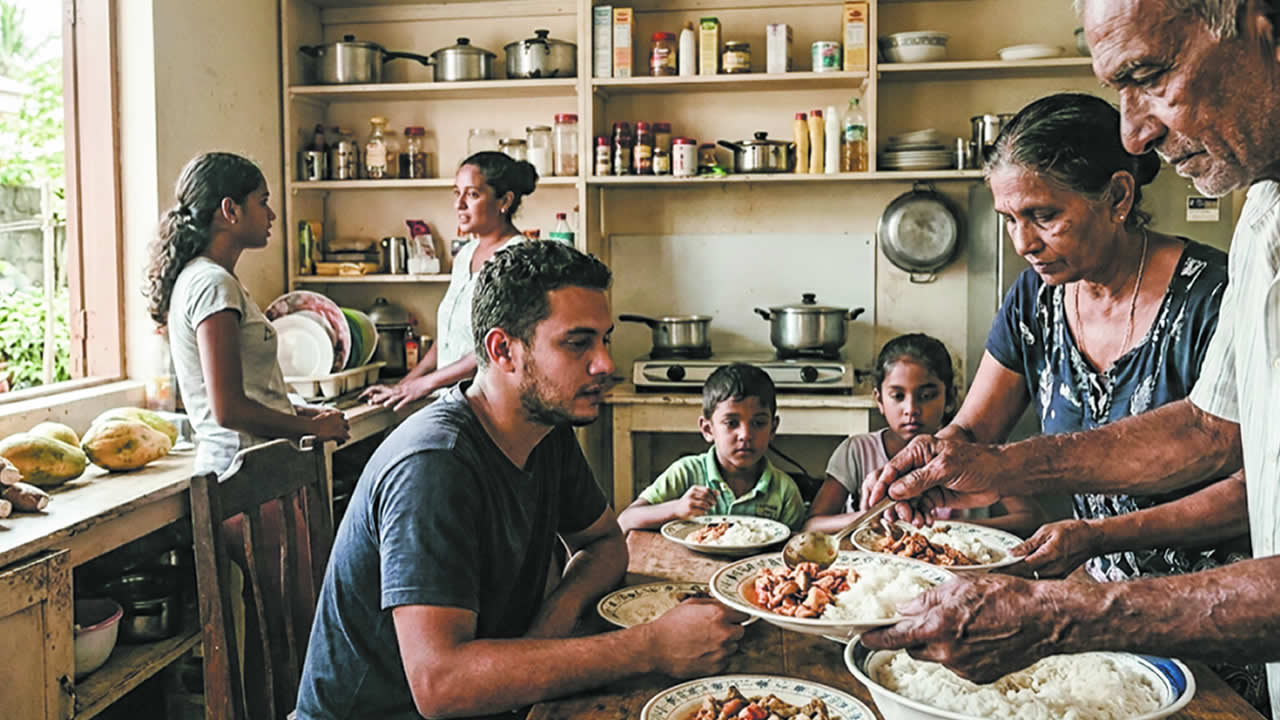
In the evening, the table is modest: a bowl of rice, a clear broth, a few vegetables gleaned at the best price and, sometimes, a preserve to give body to the meal. “At home, we make do with what we can,” she admits.
When masonry projects became rare for her husband, it was towards the ocean that the Mathurin family turned. The sea then becomes their last defense against hunger. Fish replaces meat, which has become unaffordable, and part of the catch is sold to cover daily expenses.
Mental arithmetic has become a shield to avoid the humiliation of an item put back at the checkout.
Mental arithmetic has become a shield to avoid the humiliation of an item put back at the checkout. Natasha adds up each rupee in her head before she even crosses the line. On her roof, she also cultivates hope with collected seeds which become plants with vegetables which supplement the plates with nutrients every day.
As for family solidarity, it is total. At her house, there is no individual sacrifice on proteins, everything is shared equally between mom, dad and children. “If the meal is meager, we struggle between social assistance, odd jobs and getting by,” she explains.
If hunger does not yet win the game, fatigue sets in. Natasha speaks of mental fatigue born from the obligation to constantly recalculate the slightest budget. Outings are sacrificed because the top priority remains eating. This precariousness, however, leaves its mark. His eldest son, in his teenage years, sometimes shows signs of fatigue and difficulty concentrating. A warning signal that Natasha tries to compensate for with the “magic” of the weekend where she strives to cook a more special meal to maintain the illusion of a normal life and preserve the joy of her children.
Despite fourteen years of fruitless waiting for social housing (NHDC), Natasha refuses to give up. Between the hunted promotions
Enjoying Mauritius News in English?
You've used 1 of your 5 free articles today. Subscribe for unlimited access plus a daily newsletter.



