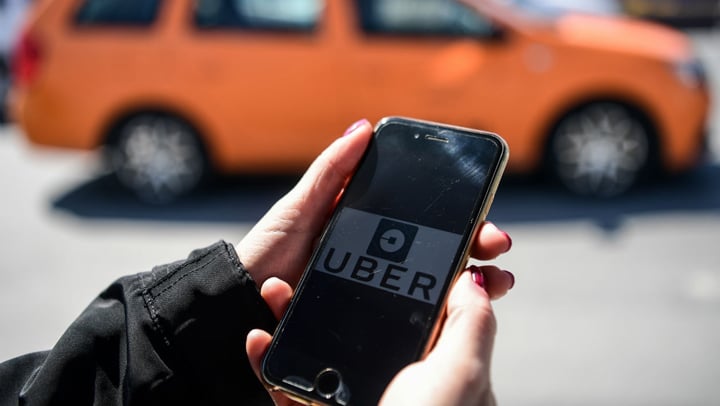
Barely two weeks after its launch, Taxi by ala-lila, powered by Uber, is already establishing itself as a powerful revealer of the changes taking place in Mauritian transport. On the one hand, an almost instinctive enthusiasm from the public. On the other, a structured protest that is gaining momentum. Between rapid adhesion and organized resistance, the model enters a pivotal phase where much more is at stake than a simple effect of novelty.
Since March 25, the platform has recorded several thousand trip requests every day. In areas like Ébène, Port-Louis or Grand-Baie, the reflex is taking hold at remarkable speed: ordering a taxi no longer necessarily involves a call or a negotiation, but a simple gesture on the screen.
This rapid changeover is not trivial. It reflects a deeper transformation in user behavior. The Mauritian consumer, now exposed to international standards, is becoming more and more demanding: he wants to know the price in advance, avoid uncertainties and benefit from immediate and reliable service.
Faced with this demand, the supply is quickly organized. Several hundred drivers have already joined the platform, attracted by an offensive implementation strategy: promotions of up to 100%, commission reduced to 1% during the first weeks, activity bonuses. A set of incentives which made it possible to significantly accelerate membership.
But behind this dynamic, the shock is real for a profession long structured around its own balances. Taxi ranks, hotel networks, regular customers: an entire economic model is now being called into question. The algorithm imposes new rules – constant availability, immediate responsiveness, evaluation by customers – which are gradually redefining the standards of the profession.
Some drivers adapt quickly, seeing it as an opportunity. Others remain cautious, even reluctant, in the face of a transformation perceived as brutal.
Because in Mauritius, Uber does not operate in a regulatory vacuum. The legal framework requires the exclusive use of drivers holding PSVL licenses, which limits the opening of the market and places the project in a logic of progressive adaptation rather than total rupture.
But this controlled transition was not enough to ease tensions.
This week, 243 taxi drivers took a step forward by filing an injunction with the Supreme Court, through their lawyer, Me Kaviraj Bokhoree. While recognizing that the sector must evolve, they contest the legality of the service Taxi by ala-lila, powered by Uber and request its suspension pending judicial clarification.
Their approach is accompanied by a direct appeal to the authorities, in particular to Prime Minister Navin Ramgoola and to the minister
Enjoying Mauritius News in English?
You've used 1 of your 5 free articles today. Subscribe for unlimited access plus a daily newsletter.



![[Info Soirée] : "He wanted to burn the shop there"](/media/article_images/ad7f1cd9c711.jpg)