Since the outbreak of war in the Middle East at the end of February 2026, the shock wave has not been limited to the front lines. Rising oil prices, imported inflation, decline in gross domestic product, currency depreciation and fall in purchasing power have hit the most fragile countries hard. United Nations data shows the conflict could push an additional 32 million people into poverty in 162 countries, with a particularly severe impact in the Levant, fragile Arab states and several net energy-importing economies.
No. 1 – Gaza / Palestinian Territories
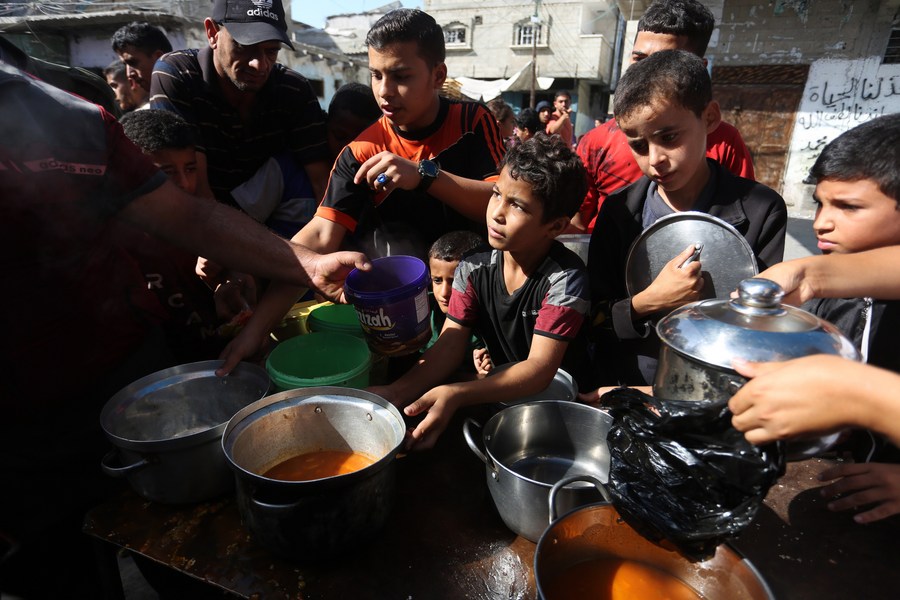
Gaza comes first, because it combines physical destruction, economic blockage and collapse in living standards. The United Nations Development Program (UNDP) estimates that an additional 1.74 million people could fall into poverty in the Palestinian territories, bringing the poverty rate to 58.4%.
The World Food Program (WFP) warns that if humanitarian access remains blocked, 1.3 million people could survive on rations reduced to 25% of daily needs, reflecting a concrete explosion in the cost of food living. Here, the crisis is not only inflationary: it directly destroys the capacity to consume, produce and feed oneself.
No. 2 – Lebanon
Lebanon follows very closely, because it already combined monetary crisis, structural inflation and dependence on imports. According to the Central Administration of Statistics relayed by Credit Libanais, annual inflation reached 17.26% in March 2026. This figure signifies a rapid deterioration in the purchasing power of households, particularly for fuel, imported products and food. With the war, the country plunged back into a scenario of stagflation, mixing sluggish activity and rising prices.
No. 3 – Iran
Iran is in third place due to the direct weight of the war on its territory and its central role in the global energy shock. The United Nations and WHO have documented numerous attacks against civilian and health infrastructure, with hundreds of deaths in the first days of the escalation. The closure of the Strait of Hormuz, a major passage for global hydrocarbons, contributed to pushing the barrel towards 100 dollars, compared to just over 60 dollars previously according to several estimates relayed in the French economic press. This increase makes fuel, imports and basic goods more expensive, while worsening internal imbalances.
No. 4 – Syria
Syria remains one of the most vulnerable countries, as it already entered this new war with a broken economy, dilapidated infrastructure and heavy dependence on essential imports. The UNDP emphasizes that the increase in poverty in the Arab States is concentrated in the Levant and in fragile countries.
In such a context, each increase in the c
Enjoying Mauritius News in English?
You've used 1 of your 5 free articles today. Subscribe for unlimited access plus a daily newsletter.