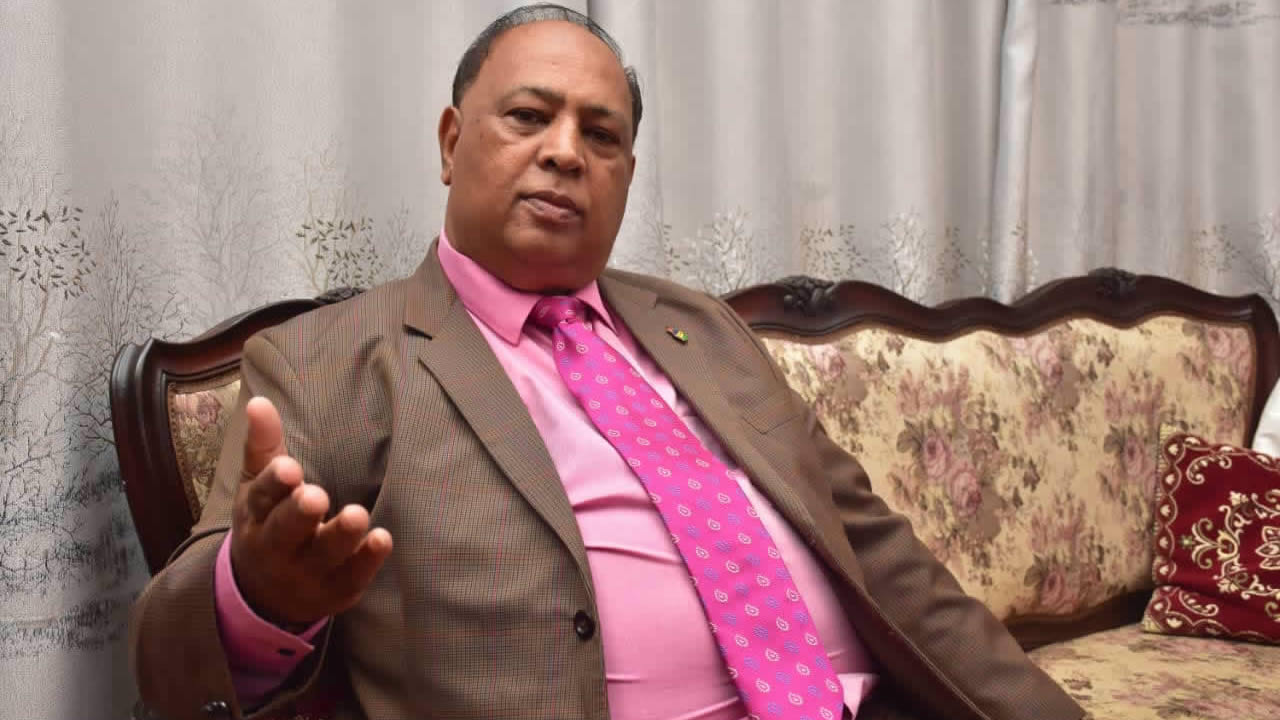
Does the fact that Rs 600 million from the Price Stabilization Fund have not been used reflect good management of public finances or a missed opportunity to further support purchasing power? This is a new system which obviously requires time to be fully implemented. It is therefore wise to act with caution and proceed gradually. It is also necessary to have data to analyze consumption habits as well as the real impact of this policy. Given the lack of competition in the market, our dependence on imports and various external shocks, several factors are likely to influence the effectiveness of the price stabilization policy to improve the purchasing power of consumers.
With Rs 2 billion allocated last year and another Rs 2 billion planned this year, how can we explain that the cost of living remains a major concern for households? The cost of living remains a concern due to the lack of competition in our market and the rise in prices of imported products. Prices tend to be sticky upwards. Throughout the supply chain, additional costs are passed on to consumers. In this context, the price stabilization policy is more akin to a support mechanism for importers whose products appear on the list of subsidized products than to a real subsidy intended for consumers. It is high time to authorize parallel imports and give a strong boost to local production. I also hope that the new draft law on SMEs will help to remove the obstacles that hinder the development of local businesses.
Beyond price subsidies, what other economic measures could be put in place to sustainably protect consumers against inflation? As mentioned previously, price subsidies do not constitute a sustainable solution and can represent a very high cost for the State. It is essential to increase competition in the economy, selectively use parallel imports, increase local production and encourage consumers to favor more locally produced products. The government should also strengthen control and surveillance mechanisms to prevent abuse. It should offer local producers all the necessary facilities, including better access to financing, markets, technologies and logistical infrastructure.
View the discussion thread.
THE MEDIA GROUP CHALLENGE› Cnr Antonio & Labourdonnais Street, Port Louis, Republic of Mauritius • Tel: +230 203 4800
MARKETING› Tel: +230 203 4800 • Email: marketing@defimedia.info •[email protected]
RADIO PLUS LTD› Tel: +230 207 0666 • +230 208 6002 • Email:[email protected]
Enjoying Mauritius News in English?
You've used 1 of your 5 free articles today. Subscribe for unlimited access plus a daily newsletter.