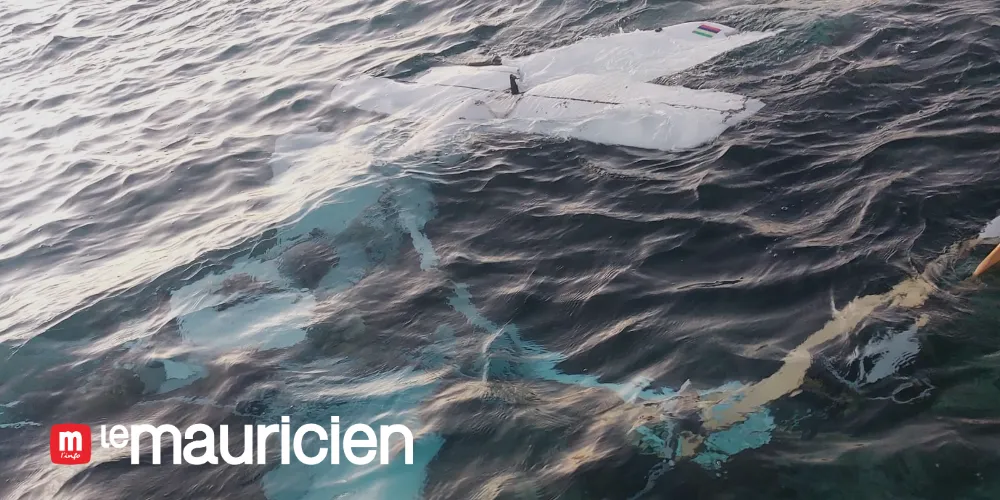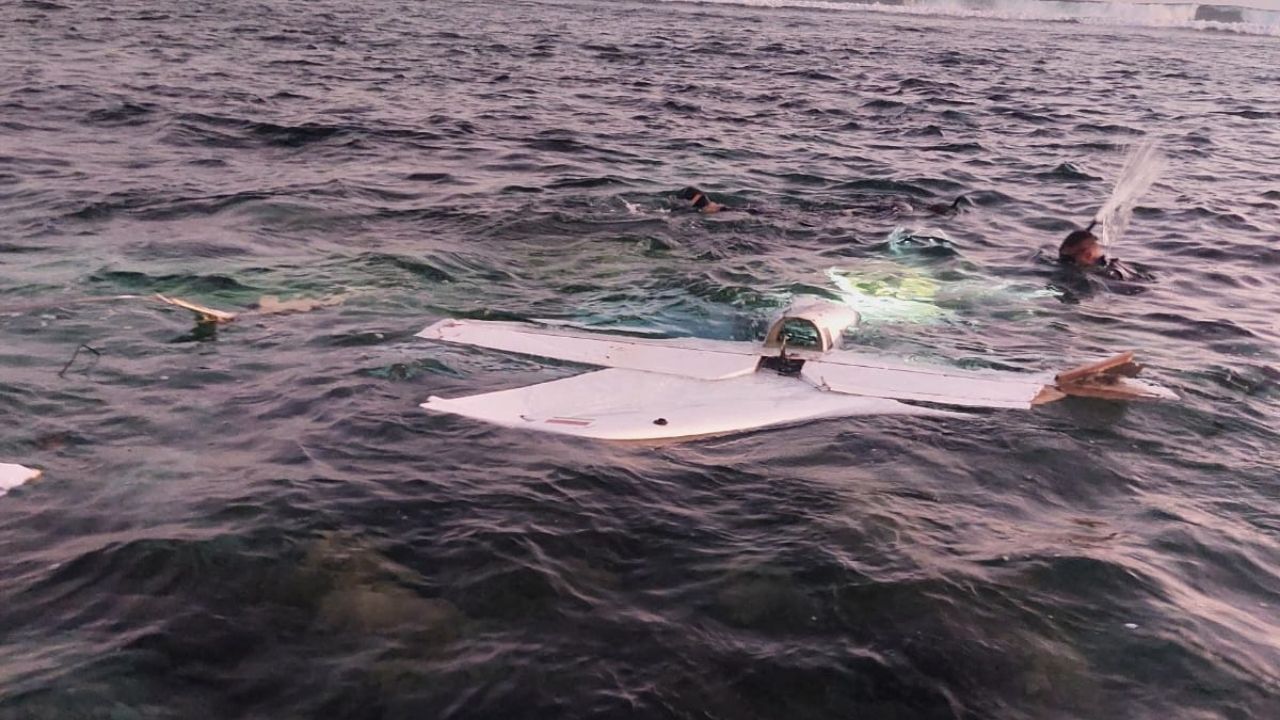
A 25-year-old Polish tourist lost his life in a seaplane accident on Tuesday afternoon on the La Prairie reef, in the southwest of Mauritius. The pilot, of Indian nationality and resident in Beau-Bassin, was seriously injured and transported to a private clinic.
The circumstances of the tragedy have not yet been established. At this stage, there is nothing to favor a technical failure, a pilot error or a factor linked to weather or sea conditions. The investigation will have to reconstruct the course of the flight and determine the causes of the accident.
An aircraft designed to use a water surface
The word seaplane does not designate a specific model, but a category of aircraft capable of taking off and landing on water.
There are two large families. The float plane rests on floats attached to the underside of the fuselage. On the flying boat, it is the lower part of the fuselage that floats directly on the water.
Some aircraft are amphibious: thanks to their landing gear, they can also take off and land on a land runway.
A seaplane remains above all an airplane. Once in flight, it obeys the same aerodynamic principles as a terrestrial aircraft. Its particularity lies mainly in the maneuvers carried out on the water.
How does it take off and land?
Before takeoff, the seaplane moves on the water. The pilot gradually increases the engine power. As the device accelerates, the floats or hull slide more on the surface, reducing water resistance. The wings then produce enough lift to allow takeoff.
To land, the pilot reduces his speed and chooses a suitable area. The floats or hull make contact with the water, then the device gradually slows down on the surface.
The distance required for takeoff or landing depends in particular on the weight of the aircraft, its performance, the wind and the condition of the water surface. Depth, currents, obstacles and available space must also be taken into account.
The recommendations of the International Civil Aviation Organization (ICAO) include an assessment of depth, currents and dangers present on the surface or underwater.
A maneuver sensitive to sea conditions
Rough water can cause significant shock when the floats or hull come into contact with the surface.
Conversely, perfectly calm water is not always easier to use. The absence of waves and visual cues can make it difficult to judge the height of the aircraft above the water.
The European Union Aviation Safety Agency (EASA) emphasizes that piloting a seaplane requires a good appreciation of surface conditions, wind and currents, as well as mastery of the visual illusions specific to flying over water.
Before any maneuver, the pilot
Enjoying Mauritius News in English?
You've used 2 of your 5 free articles today. Subscribe for unlimited access plus a daily newsletter.
![[Evening Info]: “Veronique oci pou interoze”](/media/article_images/3f0ff8612f00.jpg)