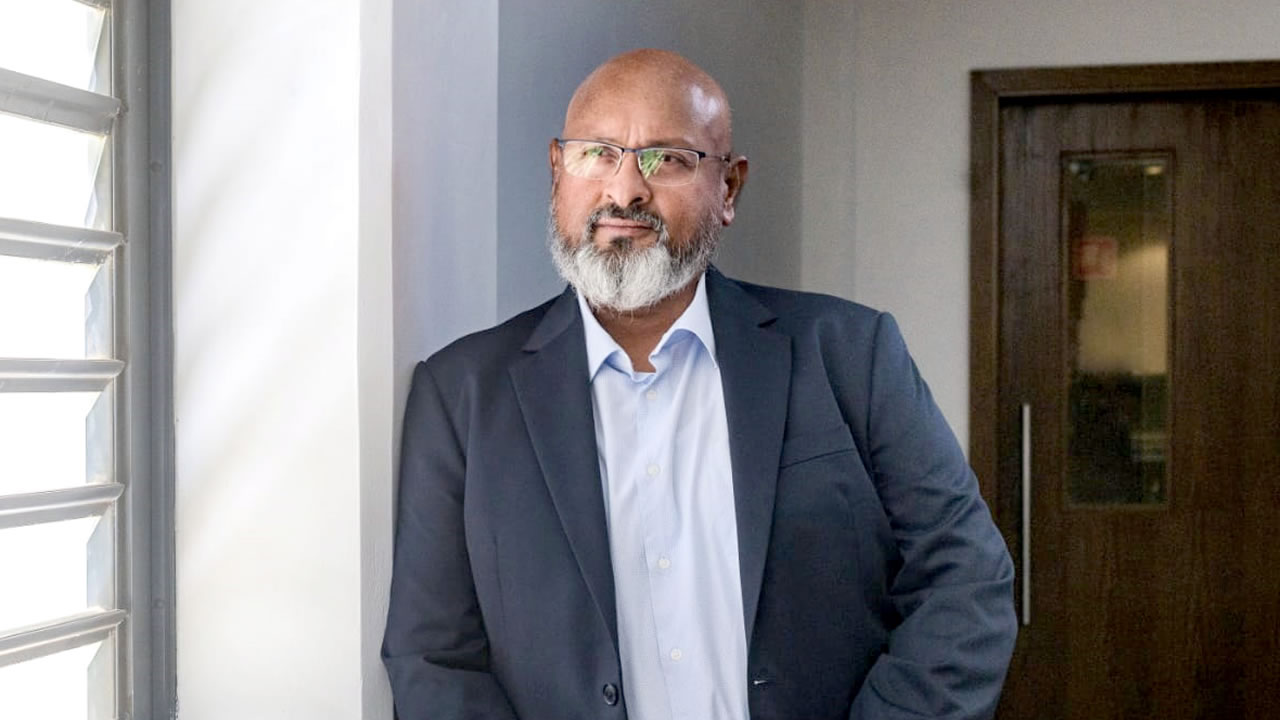
As the 2026/2027 Budget approaches, Govindah Chinapiel, CEO of Valdus, pleads for a transformation of the Mauritian labor market. Between modernization of traditional sectors, increased skills, increased support for SMEs and adaptation to the challenges of automation, he delivers his vision of the priorities for creating sustainable jobs in Mauritius. Which sectors should be prioritized in the next Budget in order to create the most sustainable jobs? Sustainable jobs do not arise from arbitrarily chosen sectors. They emerge from the intersection between a country’s competitive advantages, global trends and the actual capacity of its workforce. In Mauritius, I distinguish three priorities. First, financial services and fintech. Mauritius is already positioned as a financial platform for Africa. We must strengthen this positioning by creating more jobs with high added value: compliance officers, risk analysts and even asset management specialists. Second, the care economy, still largely underestimated. With the aging of the population, the needs for health, support for the elderly and early childhood education will increase significantly. These are non-relocatable jobs, essential to the social fabric. Third, the creative industries and the digital economy. Not to copy Singapore or Dubai, but because Mauritius has unique assets: a qualified diaspora, true multilingualism and an ability to simultaneously serve French-speaking, English-speaking and Creole-speaking markets.
Should we favor traditional industries or emerging sectors to reduce unemployment? This is a false opposition. The question itself reflects an overly simplistic budgetary approach. Tourism and construction already employ a significant part of the population. Abandoning them would be a social and economic error. But keeping them unchanged would be just as risky.
The real question is that of transformation: how to integrate emerging technologies into traditional sectors? A hotel that uses artificial intelligence for customer experience personalization, HR analysis and energy management creates more qualified jobs. A construction site integrating BIM and sustainable materials becomes a modernized industry. The Budget must finance this transformation, not pick winners.
Which active employment policies are the most effective in integrating young people into the labor market? Current policies suffer from a major flaw: they are designed for young people, but rarely with employers. Three levers are essential. First, paid internships in companies. When they are well supervised, they offer a better return than classroom training. They should include a mentor, clear objectives and a final evaluation. Then, the training of
Enjoying Mauritius News in English?
You've used 4 of your 5 free articles today. Subscribe for unlimited access plus a daily newsletter.