The findings of the Bank of Mauritius are clear: households will spend less this year. A development that goes beyond simple purchasing power. In an economy where more than 82% of GDP comes from final consumption, each rupee that is no longer spent has a direct impact on growth.
In its “Monetary Policy Report” published this week, the Bank of Mauritius warns that private consumption is expected to contribute less to growth in 2026 compared to recent years.
According to the institution, “household spending was the main driver of the economic recovery after the pandemic. In 2026, however, consumption is expected to slow down due to the rise in energy and food prices, which reduces the real disposable income of households. Faced with a more uncertain context, households will also adopt more prudent behavior in their spending.”
The Central Bank adds that the slowdown in real wage growth, combined with the gradual removal of certain budgetary support measures, should limit discretionary household spending.
This diagnosis is far from trivial. Official data show that final consumption represents 82.56% of the country's gross domestic product (GDP) in 2026, compared to 89.27% in 2021 (Editor's note: see further). This relative decline does not, however, mean a reduction in spending in nominal value, since final consumption continues to increase over the period.
For economic observer Tahir Wahab, Mauritians continue to consume, but with less margin, more caution and less dynamic consumption growth. Several signals show that the slowdown is already underway, according to him. “In normal times, we always observe an increase in consumption at the end of the year with the holidays and New Year's purchases and even at the start of the year with the return to school. But between April and September, consumption generally slows down except when there are festive periods. This year, this trend is amplified by the reduction of certain social benefits and especially by the increase in the prices of basic products,” he underlines.
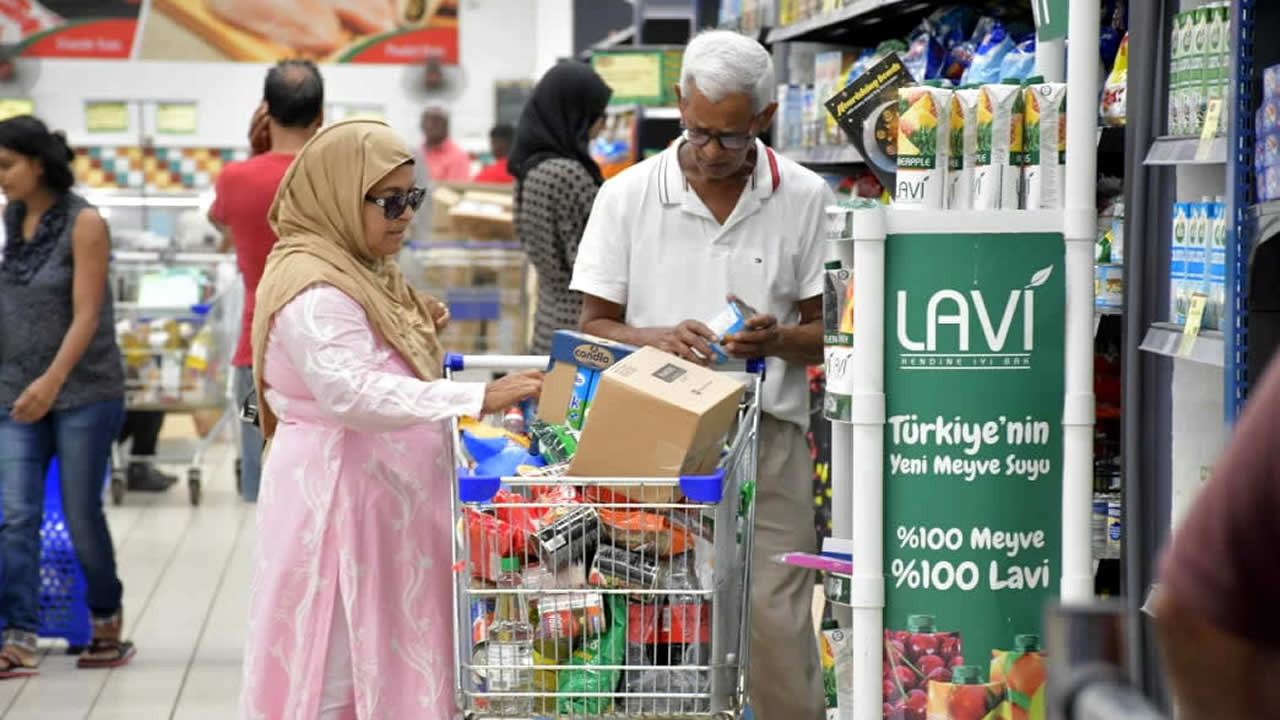
According to him, households are now choosing their spending more. “Families have much less room to maneuver for their usual purchases. This can already be seen in restaurants, but also in supermarkets,” points out Tahir Wahab.
For the economic observer, however, this phenomenon goes beyond the simple behavior of households: it reveals a structural fragility of the economic model. “Our economy remains largely driven by consumption. Its slowdown strongly influences the rate of growth. This also highlights the fact that our growth model is mainly based on consumption, more than on investment,” underlines Tahir Wahab.
Behind the stupid figures
Enjoying Mauritius News in English?
You've used 2 of your 5 free articles today. Subscribe for unlimited access plus a daily newsletter.