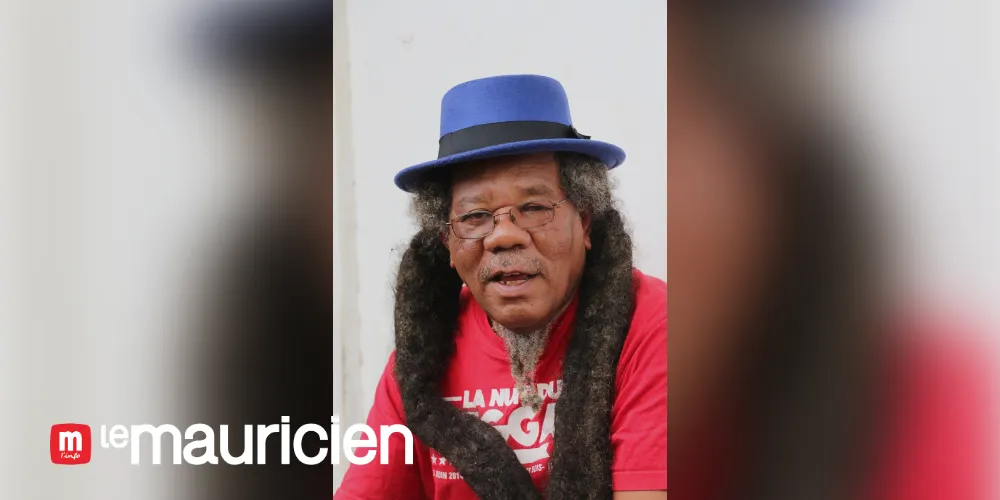
It's a cry that Ras Natty Baby launched through an entire album dealing with the Chagos in 2013. In English and in French, he returned to reggae to try to make the world aware of this tragedy which he had witnessed in fragments. While the Chagos question remains at the center of current concerns, his message remains relevant.
Port Mathurin, in the mid-1960s. When the day is over, Joseph Nicolas Émilien leaves the college for the old quays where he must board the canoe to take him back to his village. But that afternoon, the tranquility of the city was interrupted. Chagossians were disembarked from a boat in transit to Mauritius.
âThere were men, women and children. They looked tired and anxious. They were dirty and seemed lost. Rumor had it that they had been chased from their homes. The spectacle of this deportation deeply upset him. The tragedy is felt even more cruelly when a common wooden crate arrives in which lies the lifeless body of a little girl. âShe had died during the crossing. His coffin was rudimentary.â
For political, "geostrategic" and self-interested reasons, those who had thrown them into the sea had no use for the little one or the suffering of her people who were crying around her. Not the slightest compassion. There was no ceremony for the child, buried in the cemetery.
Reggae advocacy
âThis image has always stayed in my head. Since that time, I have learned to better understand the extent of the tragedy experienced by the Chagossians,” recounted Ras Natty Baby. His album was this cry that he had to utter, as if to exorcise this excess of injustice that haunted him for a long time.
As early as the 1980s, he had mentioned the Chagossian cause on stage during one of the first ceremonies organized to commemorate the abolition of slavery. At the time, he worked with several artists, including Olivier Sakir. This Rasta was a native of Chagos who had experienced uprooting while he was still a child. “He often spoke to me about life there and explained to me the struggle that was being waged,” remembers Ras Natty Baby.
Sakir described his native island while expressing the joys he experienced there and the despair that followed his deportation. One of the songs he had already composed at the time would, a few years later, be crowned record of the year. But Ton Vieil's Peros Vert evokes another image for Ras Natty Baby.
One day, while the two artists were talking, the Rodriguais told the story of the little girl to the Chagossian. âHe listened to me attentively. He knew this story. The little girl was his sister.â
A big crime
What a Big Crime, Calling United Nations, UK Blessing in Disguise, Free Diego G
Enjoying Mauritius News in English?
You've used 1 of your 5 free articles today. Subscribe for unlimited access plus a daily newsletter.