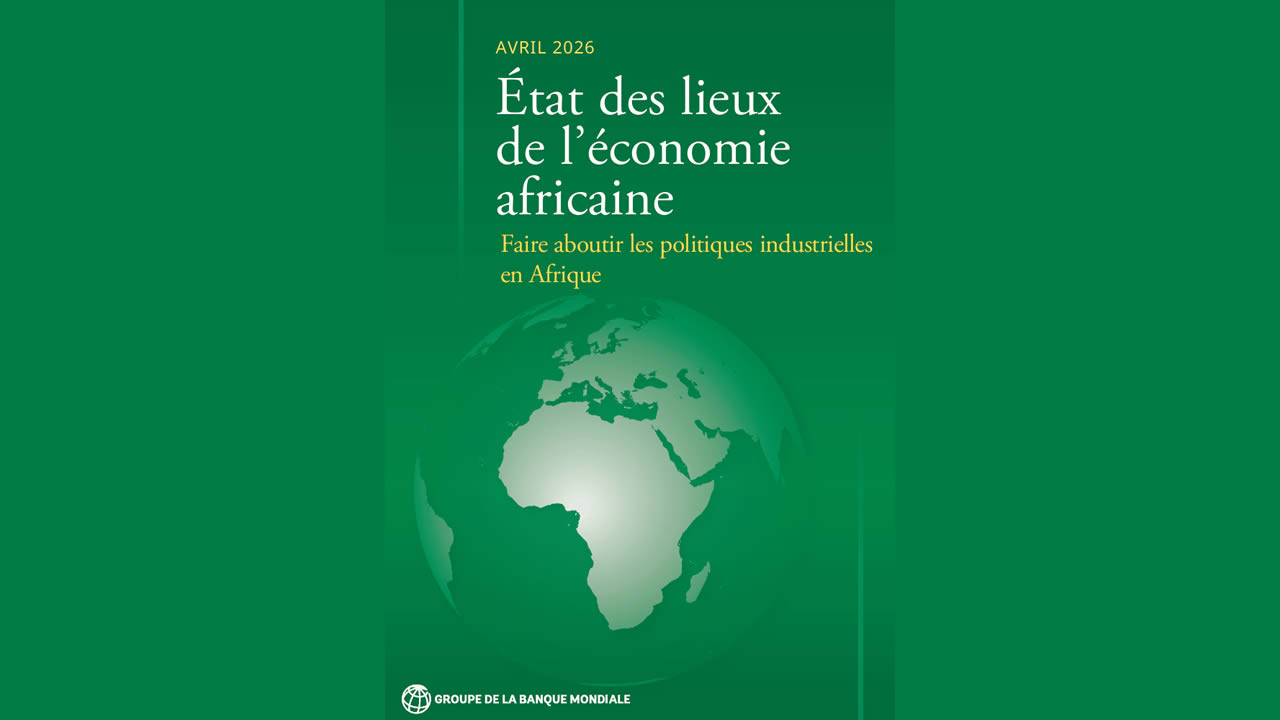
The World Bank delivers its projections for Mauritius. Growth will slow to 2.5% in 2026 while public debt will rise to 90.6% of GDP. The country is also cited as an example of adaptation in the textile sector.
When the multi-fiber agreement expired in 2005, removing the preferential market access that had structured the Mauritian textile sector, the government opted for a gradual and controlled phase-out rather than prolonged protection. “A five-year adjustment program provided support for the transition linked to the retraining of workers and the diversification of businesses towards higher value-added clothing and technical textiles, but explicitly excluded the continuation of subsidies to companies not meeting productivity criteria,” observes the World Bank. Another observation: employment in the textile sector fell from 90,000 to around 40,000 people, but the companies that survived increased their production per worker by 68% from 2005 to 2015. “The disciplined exit of low-productivity companies, although politically costly, prevented the sector from becoming a permanently protected enclave,” points out the World Bank.
View the discussion thread.
THE MEDIA GROUP CHALLENGE› Cnr Antonio & Labourdonnais Street, Port Louis, Republic of Mauritius • Tel: +230 203 4800
MARKETING› Tel: +230 203 4800 • Email: marketing@defimedia.info •[email protected]
RADIO PLUS LTD› Tel: +230 207 0666 • +230 208 6002 • Email:[email protected]
Enjoying Mauritius News in English?
You've used 1 of your 5 free articles today. Subscribe for unlimited access plus a daily newsletter.