Chronicle of a dazzling erosion and a backlash reaction. Faced with unprecedented phenomena, do public authorities have the answers to act in time?
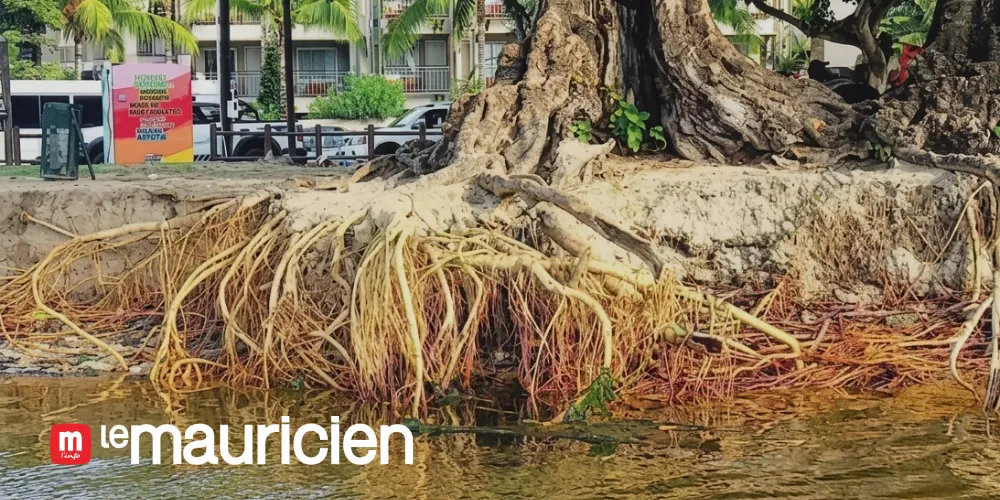
It was following an urgent alert from citizen Percy Yip Tong on the brutal deterioration of the coastline at Tamarin that the public became aware, at the end of last week, of the seriousness of the situation on this legendary beach on the west coast, a true paradise for surfers. As of last Sunday, Week-End was shooting thus sounding the alarm on what already resembles one of the worst environmental disasters the country is experiencing in the era of climate change. The first elements collected suggested a rapid deterioration, but the reality observed on the ground over the days has only confirmed and amplified the extent of the phenomenon. If the public authorities have since ended up reacting – not without a certain latency period â, their interventions however give the feeling of a still hesitant response, marked more by consultation and evaluation than by immediate action. However, while the meetings follow one another and the decisions become clearer, the deterioration of the coastline shows no pause. In Tamarin, each tide, each episode of swell, each rain accentuates the erosion. And faced with this relentless dynamic, the institutional response still seems out of step with the emergency on the ground, leaving doubt about the capacity to contain, in time, a situation which continues to worsen. A combination of natural factors and also human factors The origin of this crisis dates back to mid-April. In Tamarin, a combination of natural factors - heavy rain, large full moon tides, sustained swell and powerful river current - triggers erosion of rare violence at the mouth. In just three days, almost five feet (yes, five feet) of sand disappears, while the coastline recedes dramatically, reaching up to 100 meters in places. Where there was still a wide beach a few weeks earlier, there now remains only a strip of sand reduced to a few meters. The roots of century-old trees are exposed, and public infrastructure – kiosk, grill corner, concrete sign – finds itself directly threatened, with its feet in the water. This rapid deterioration is part of an already weakened context. Since December 2025, human intervention having modified the natural course of the river has contributed to concentrating the currents in the wrong place. Instead of flowing naturally towards the sea away from infrastructure, the river now dangerously runs along the area where trees and public facilities are located, accelerating the erosion of the shore. Faced with this situation
Enjoying Mauritius News in English?
You've used 1 of your 5 free articles today. Subscribe for unlimited access plus a daily newsletter.