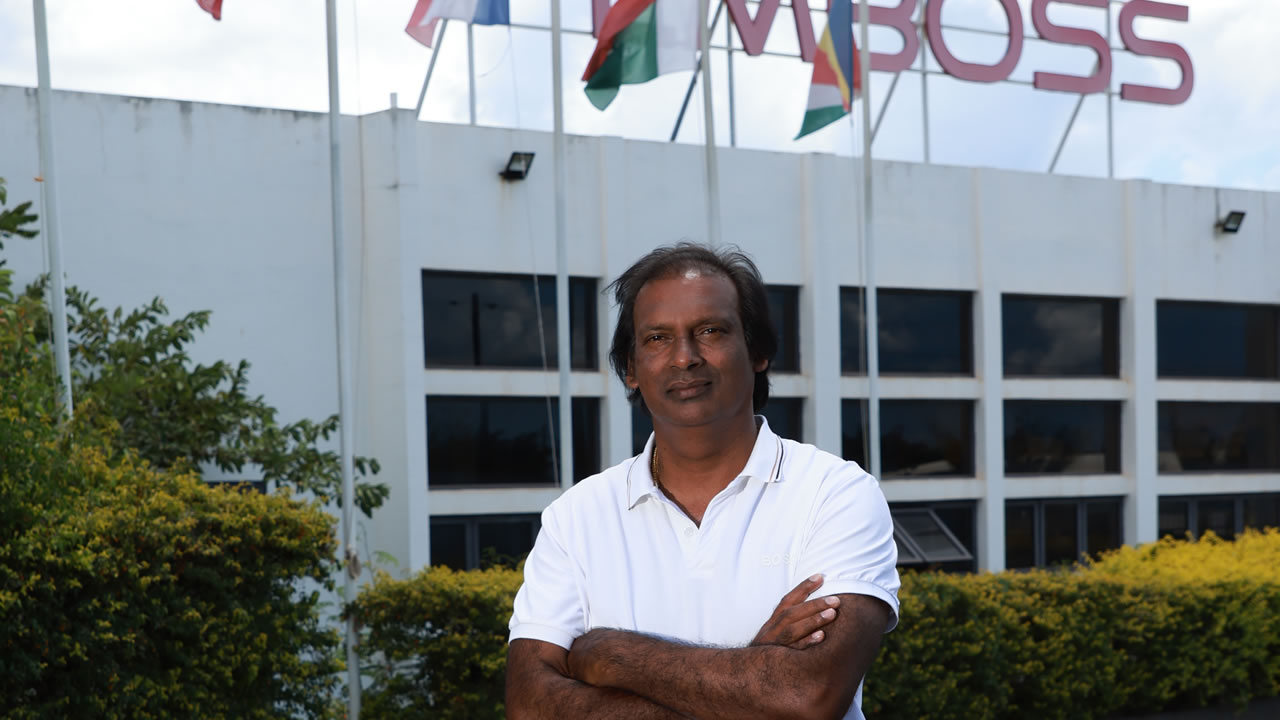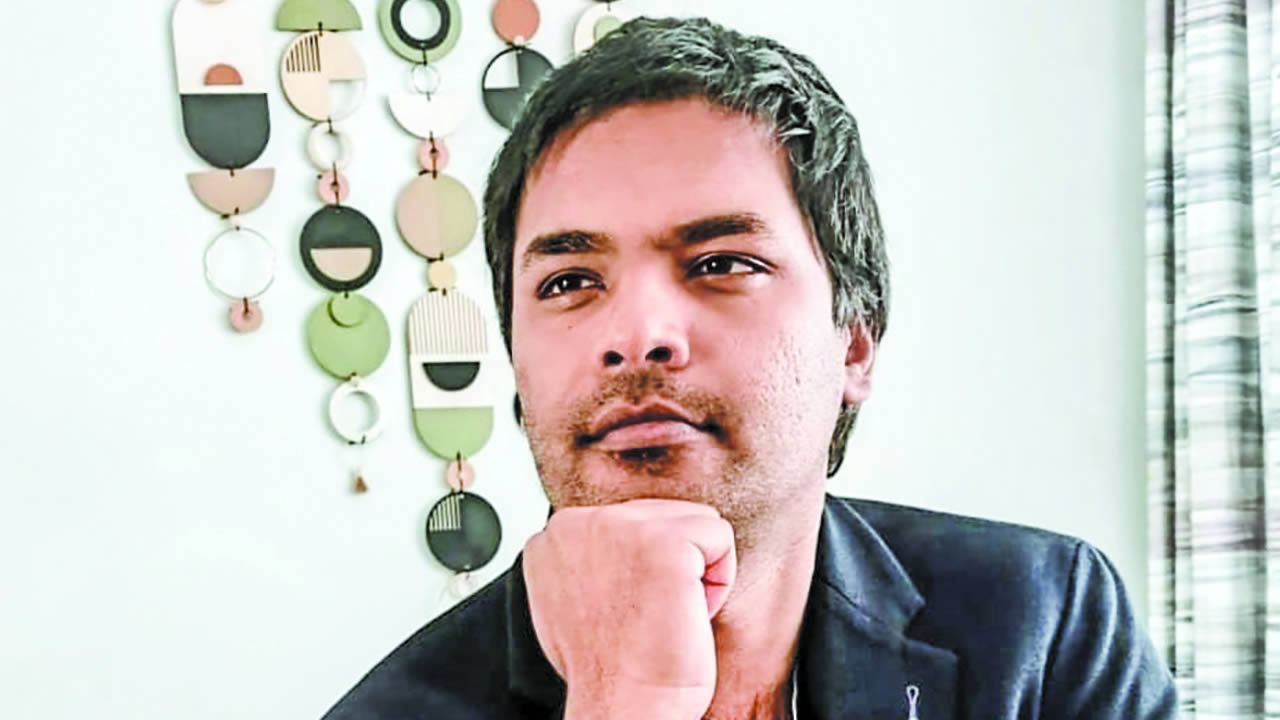
Between technological promise and democratic risk, artificial intelligence is already disrupting economic, political and social balances. Faced with algorithmic bias, disinformation and deepfakes, Hans Balgobin, engineer and Head of Systematic Trading, pleads for a better educated, more critical and lucid society.
You defend artificial intelligence (AI) in the service of collective intelligence. However, everywhere in the world, it is first captured by large private platforms. How can we prevent this technology from reinforcing, in Mauritius too, new economic and information monopolies? The question goes beyond technology: it concerns the economy and human nature. Who is really driving AI today? Shareholders, or engineers and researchers driven by a vision that is often more open and universalist? My intuition is that this second force is underestimated.
Recent history shows that major advances rarely end up confined. Much of the progress in AI is already open source, and even when some technologies are kept closed, other players are quickly catching up. The example of DeepSeek clearly illustrates this diffusion dynamic.
In other words, “the genie is out of the bottle”. Monopolies can exist temporarily, but they are weakened by the speed of circulation of knowledge and global competition. Ultimately, power shifts to those who disseminate and apply these technologies, not just those who own them.
For Mauritius, the challenge is therefore to quickly adopt these tools, train talents and actively participate in this open ecosystem, rather than trying to resist a concentration which, in any case, will remain transitory.
When a homework assignment or a standard essay can be largely produced by an AI, it is perhaps the form of the exercise that needs to be rethought.
Many present AI as neutral. However, algorithms often reproduce the biases of their designers or the data used. In your opinion, what are the most dangerous biases in a small democracy like Mauritius today? Bias exists from the outset because the data used to train the models reflects specific perspectives, accesses and priorities. But the real danger arises when these biases are not understood and the AI's answers are taken as absolute truths.
In a small democracy like Mauritius, the major risk is the formation of erroneous perceptions internationally. Let's take a concrete example: if, in certain debates in the United Kingdom around Diego Garcia, a large volume of content associates Mauritius with China, then an American user who asks an AI about Mauritius could incorrectly conclude that the country is an ally of China. This type of narrative bias can influence decisions, investments
Enjoying Mauritius News in English?
You've used 2 of your 5 free articles today. Subscribe for unlimited access plus a daily newsletter.