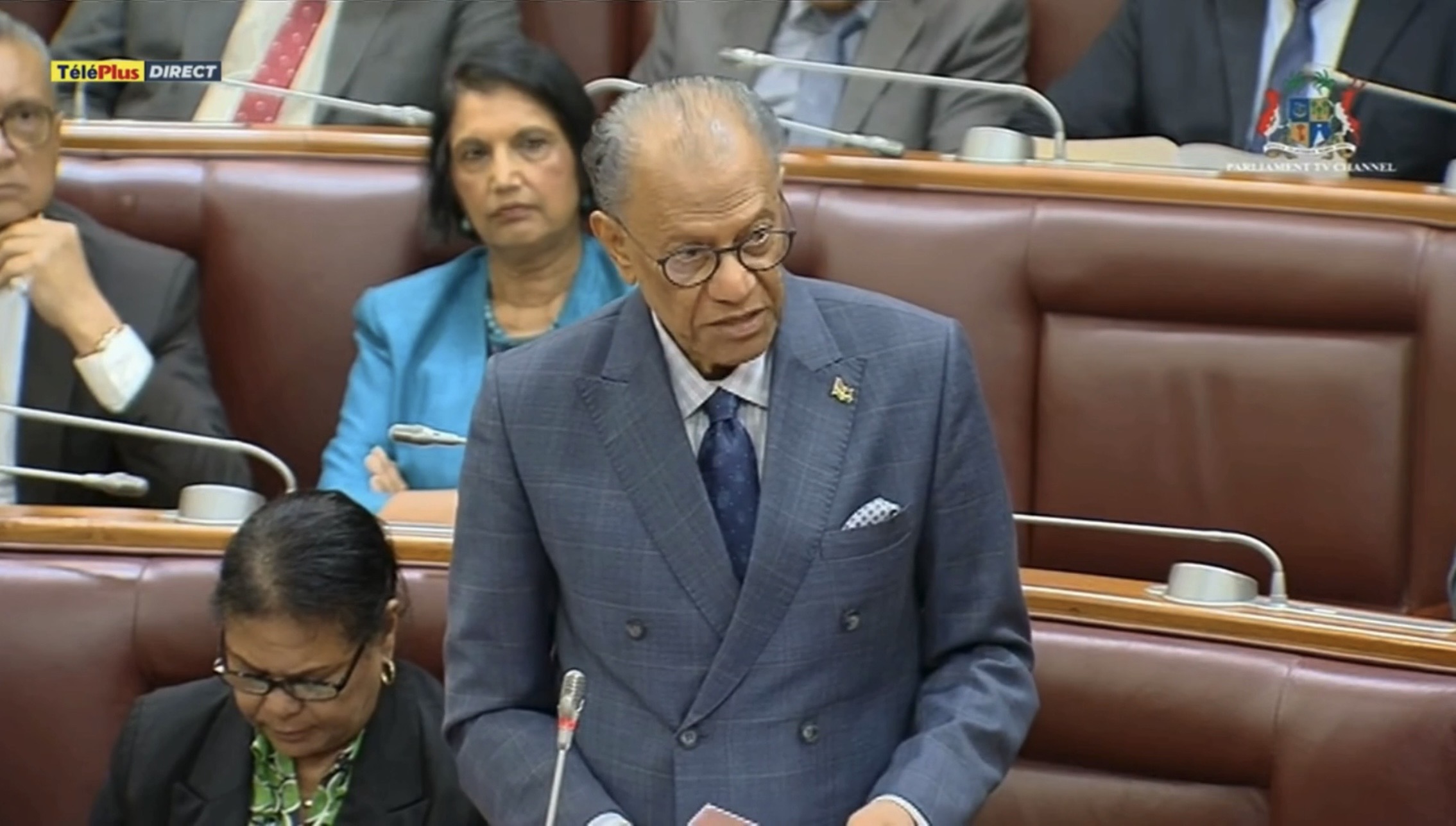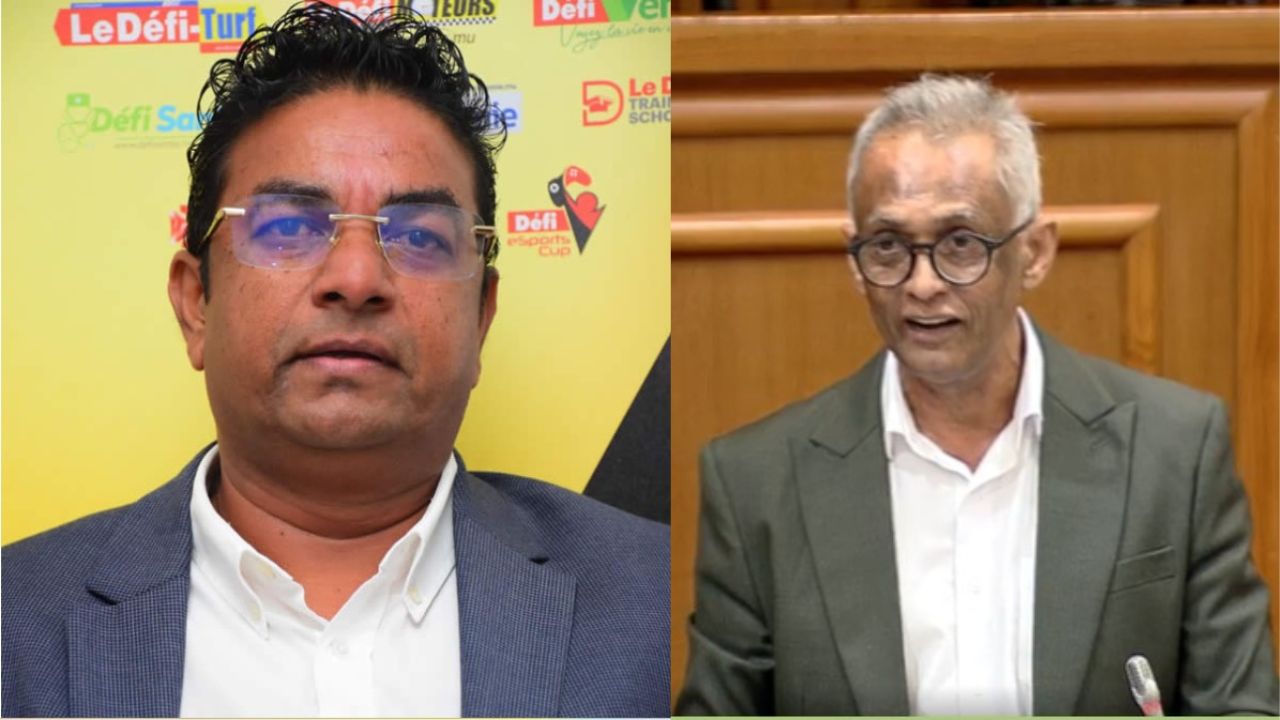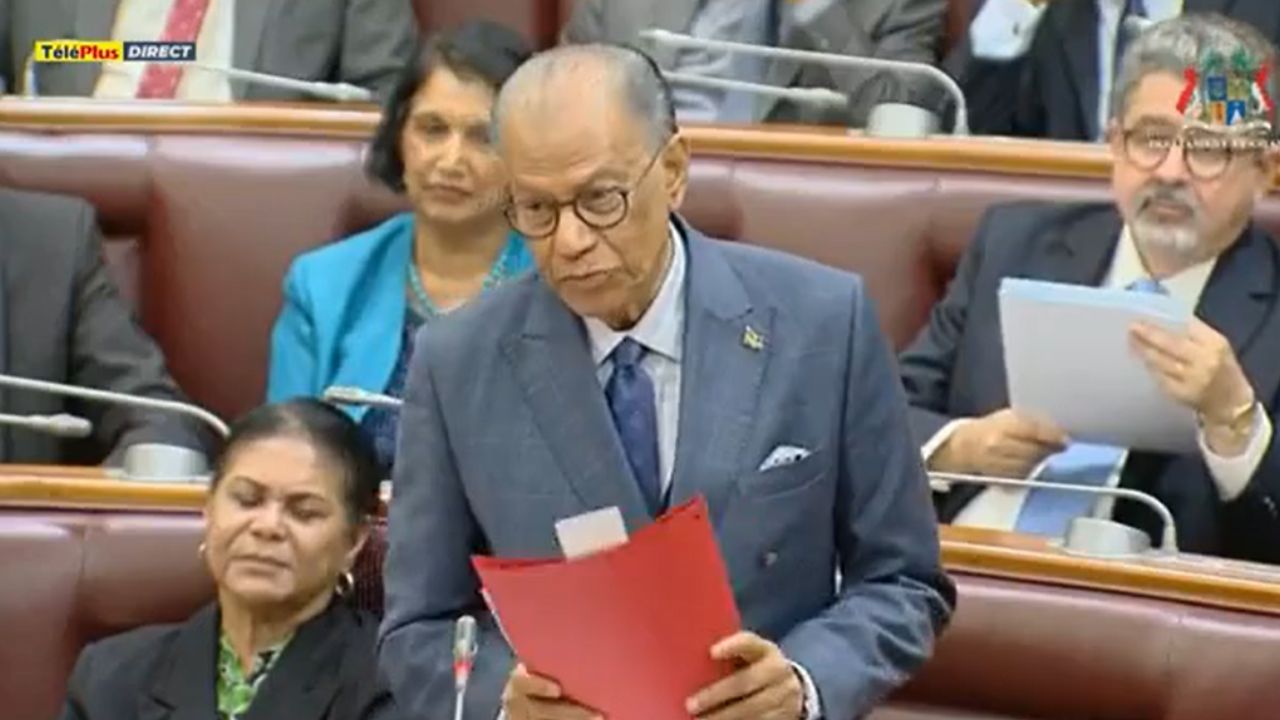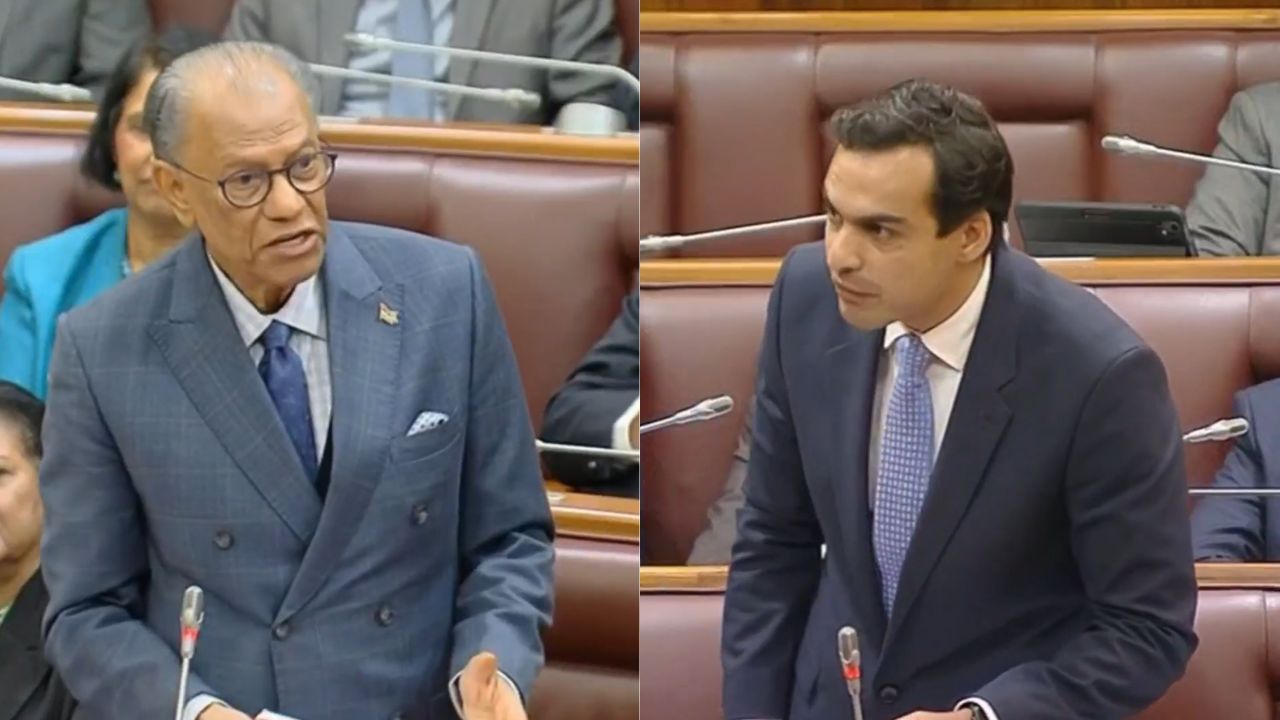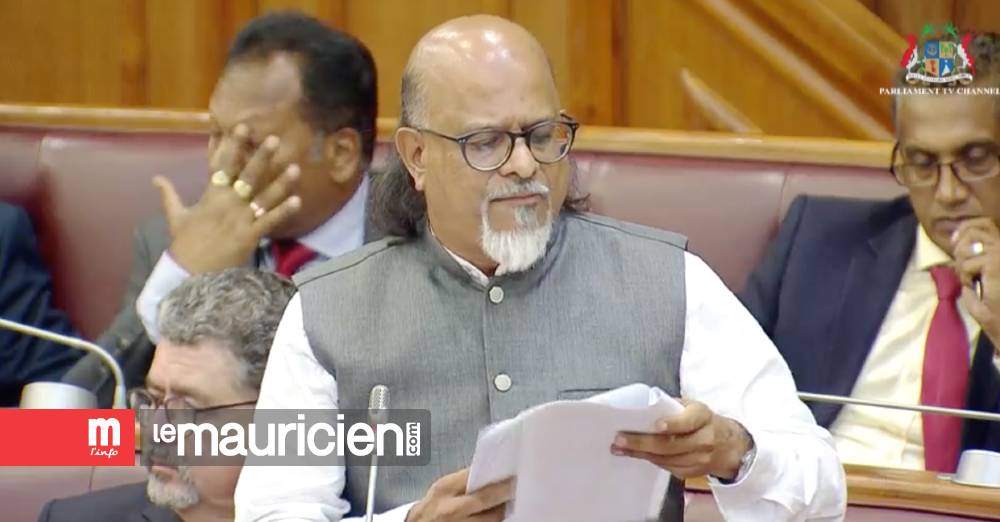
For Minister Ashok Subron, the Domestic Abuse Bill is at the heart of the foundations of society and concerns living together. He highlighted the fact that the bill aims to protect the family unit, where love and respect must reign. Likewise, he asked how can a society combat domestic violence, when that same society was born from a system of violence and abuse.
He cited slavery, indentured labor, colonialism and, today, capitalism. Which leads him to say that the Domestic Abuse Bill is not an ordinary bill. “It is part of a historical and collective process aimed at repairing psychological and social wounds, as well as trauma caused by past violence and abuse, but also those produced by the current system,” he says.
He paid tribute to the women who led the fight, starting with Anna from Bengal, to those who campaigned within associations and institutions, including the workers of the free zone and the students of May 75, among others.
“The bill that we will adopt this evening bears the imprint of all people, organizations and movements. » Speaking about the Domestic Abuse Bill, he indicated that it marks a major development in the way in which Mauritius legally deals with domestic violence.
“The 1997 legislative framework essentially focused on immediate protection against physical violence and on protection orders. The new legislation is part of a modern understanding of domestic violence, moving from a reactive approach focused on physical attacks to a global approach, centered on survivors, which also takes into account non-physical and structural forms of abuse,” he points out.
In his opinion, the most significant change lies in the lexicon. “The 1997 law targeted domestic violence, a concept which favored physical acts, visible or easily demonstrable, such as assault, physical intimidation or damage to property. This bill adopts the term domestic abuse, thus recognizing that some of the most destructive forms of domination leave no physical trace,” he believes. This bill also goes beyond the conception of domestic violence as an “isolated incident”, by explicitly recognizing economic violence, emotional and psychological violence, as well as marital rape.
“He asserts that violence is above all a mechanism of power and control, and not simply a loss of individual control. "Similarly, he pointed out, the Domestic Abuse Bill adopts a proactive and global approach, by tackling structural causes, by strengthening the mechanisms of support
Enjoying Mauritius News in English?
You've used 1 of your 5 free articles today. Subscribe for unlimited access plus a daily newsletter.