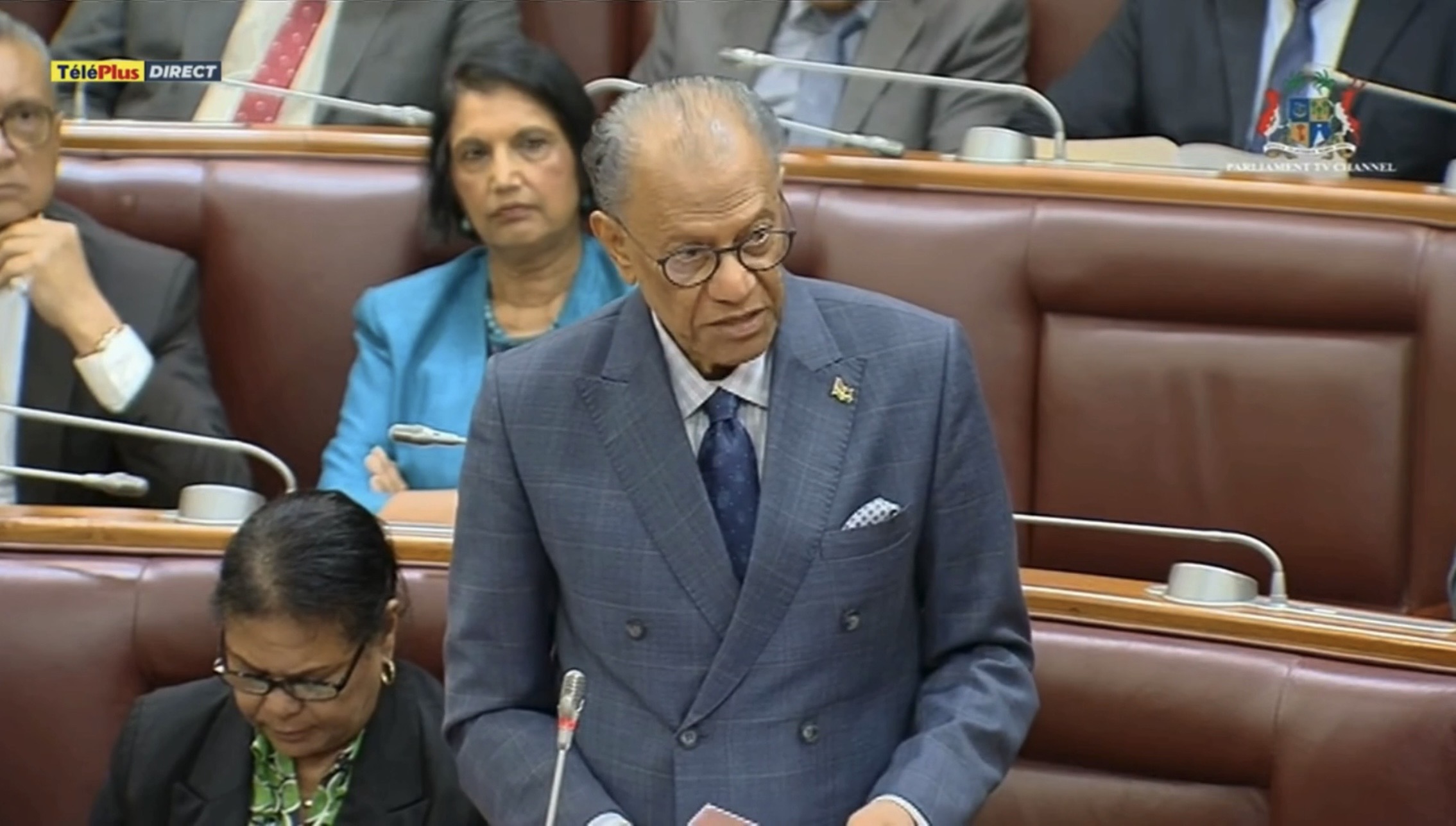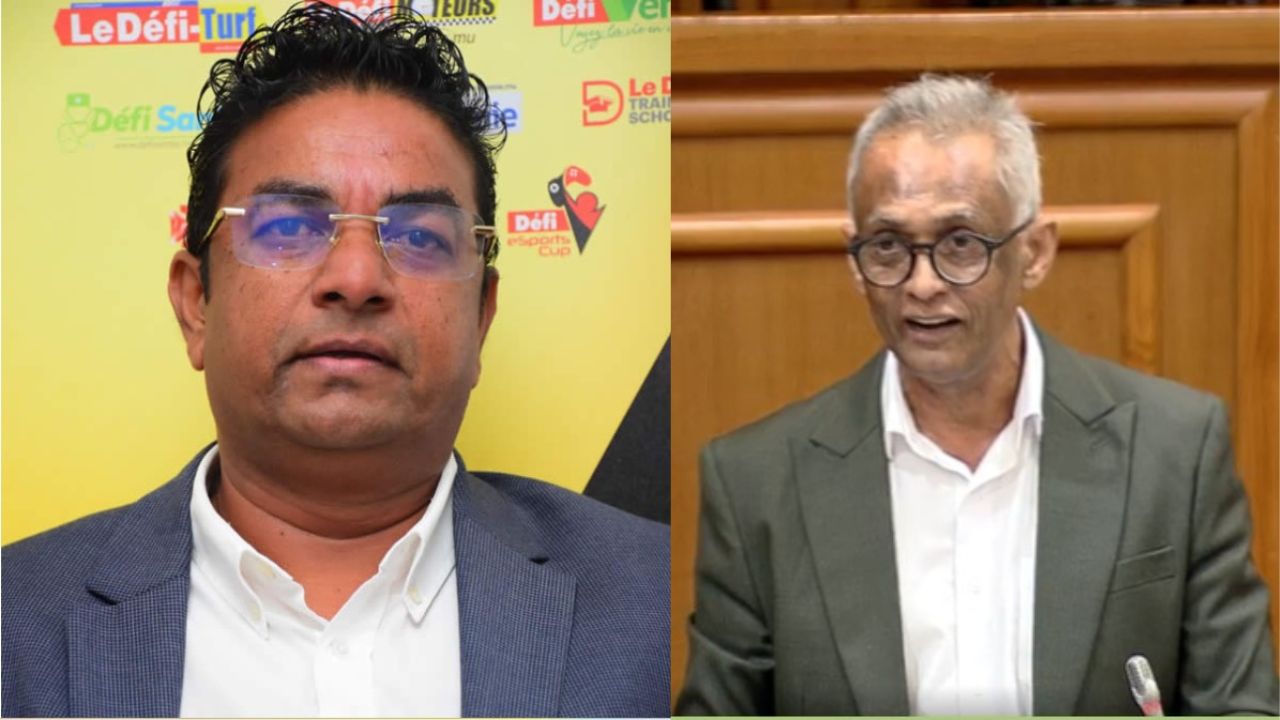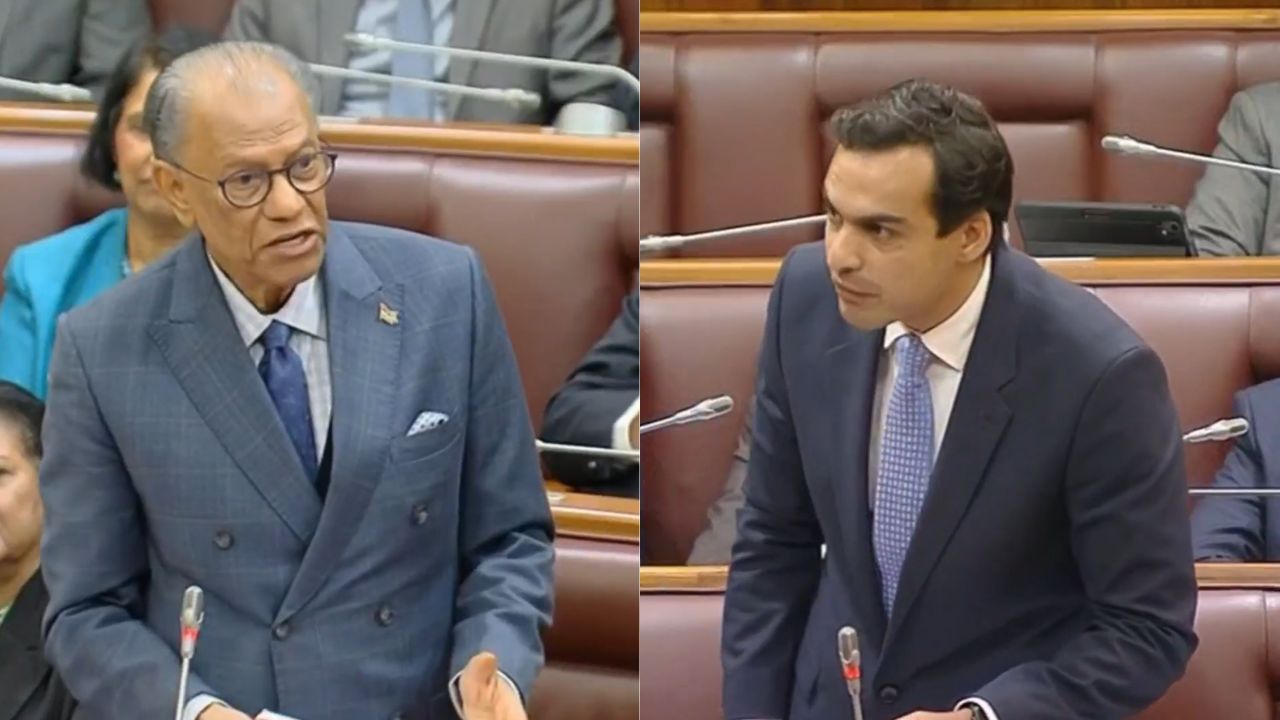
The appointments of Anabelle Savabaddy and Tony Apollon relaunch the debate on the role of Junior Ministers. Three observers analyze the political and institutional issues linked to these functions.
The appointment of Anabelle Savabaddy and Tony Apollon as Junior Ministers does not only constitute a replacement of vacant positions. By replacing the functions left free after the dismissal of Sydney Pierre and the departure of Joanna Bérenger, Navin Ramgoolam chose, immediately, not to further modify the composition of his government team, while announcing that other changes would take place soon.
This sequence comes at a time when the role of Junior Ministers, their place in the executive and their political usefulness are the subject of questions. For observers interviewed by Le Défi Quotidien, these appointments refer to questions of government discipline, balance within the majority and institutional functioning.
Political scientist Avinaash Munohur notes that this development comes after a politically delicate period for the government, particularly due to criticism over the Budget and pension reform. “Everything suggests that the discussions were not simple within the majority, which probably explains the rapid backpedaling on the ‘means test’, which took place just a few days after the presentation of the Budget,” he observes.
In this context, the dismissal of Sydney Pierre constitutes, according to him, a message addressed to all the elected representatives of the majority. “By sanctioning a Junior Minister who had publicly distanced himself from the government line, Navin Ramgoolam above all sent a message of discipline to his majority: on such sensitive issues, government solidarity is not negotiable. »
According to the political scientist, the new appointments also reflect political logic. “Elected officials perceived as loyal are promoted, while those who deviate from the set line take the risk of being sidelined,” he believes.
But not only that, according to historian and political observer Jocelyn Chan Low. The choice to limit changes to the two vacant positions can be explained by a search for political stability, he believes. A broader reshuffle at this stage could, according to him, have been seen as a sign of a government in difficulty or as a desire by the Prime Minister to more thoroughly review the organization of his team. A broader redistribution of portfolios could also have modified the internal balances of the majority.
Beyond the political choices surrounding these appointments, it is the very role of Junior Ministers which is the subject of debate. Are they real relays of government action or do they constitute above all an instrument of political management of the majority? For Avinaash Munohur, their institutional room for maneuver requires
Enjoying Mauritius News in English?
You've used 1 of your 5 free articles today. Subscribe for unlimited access plus a daily newsletter.