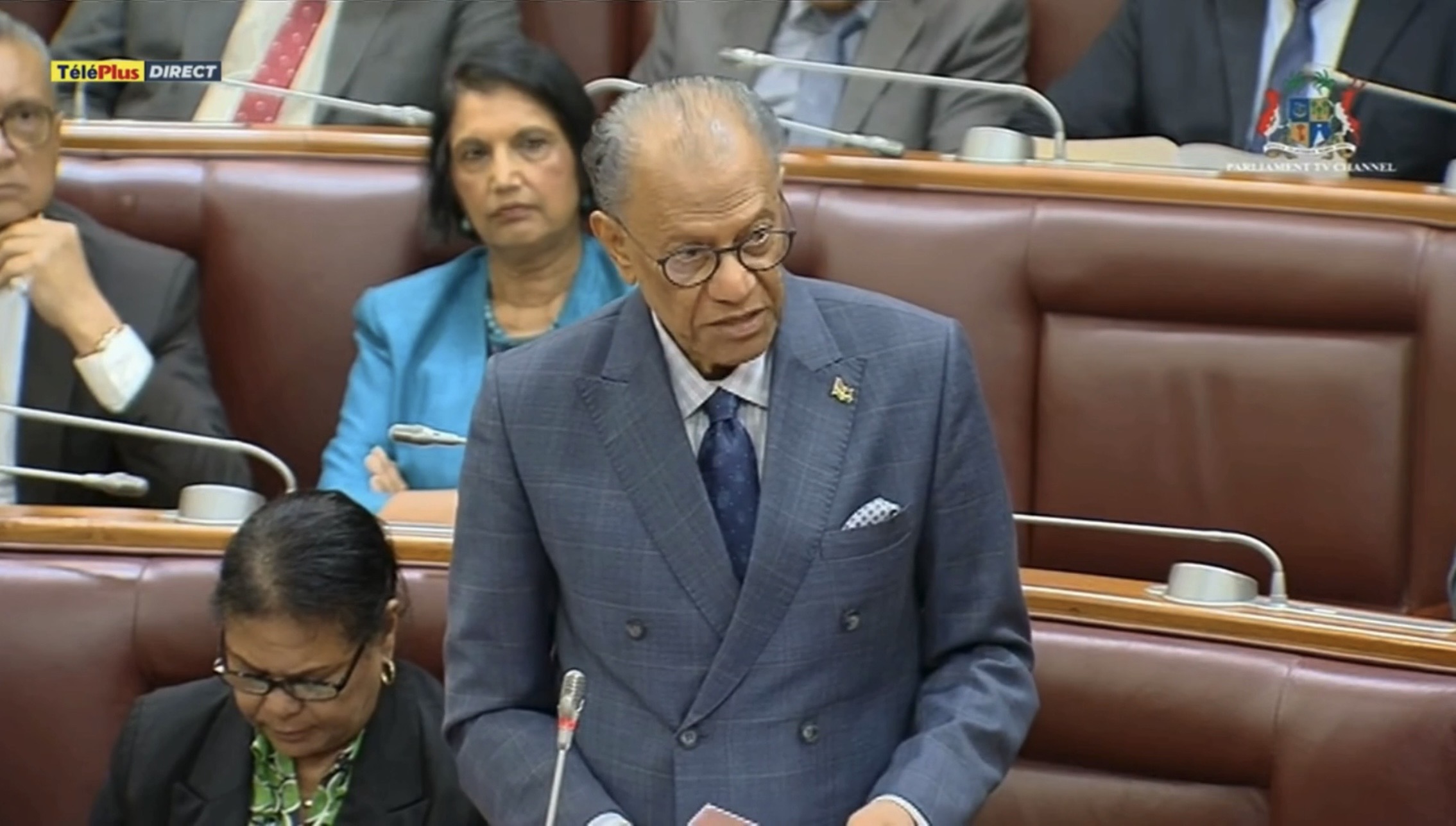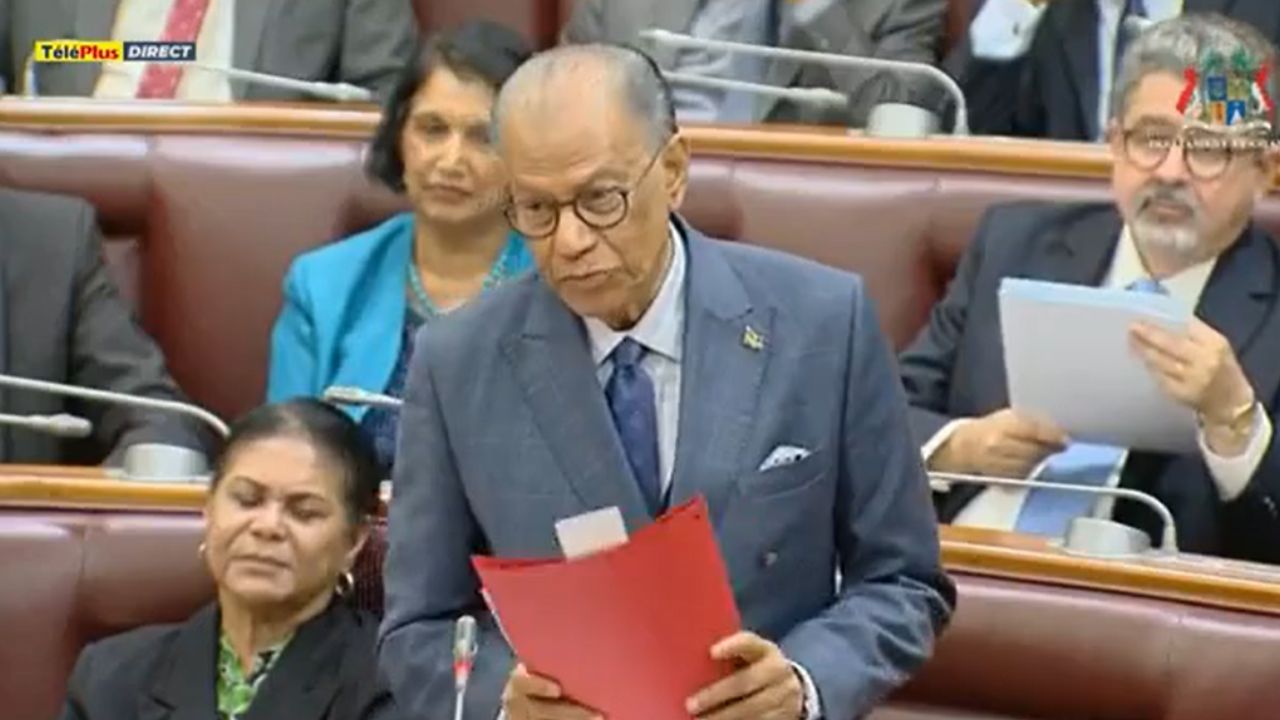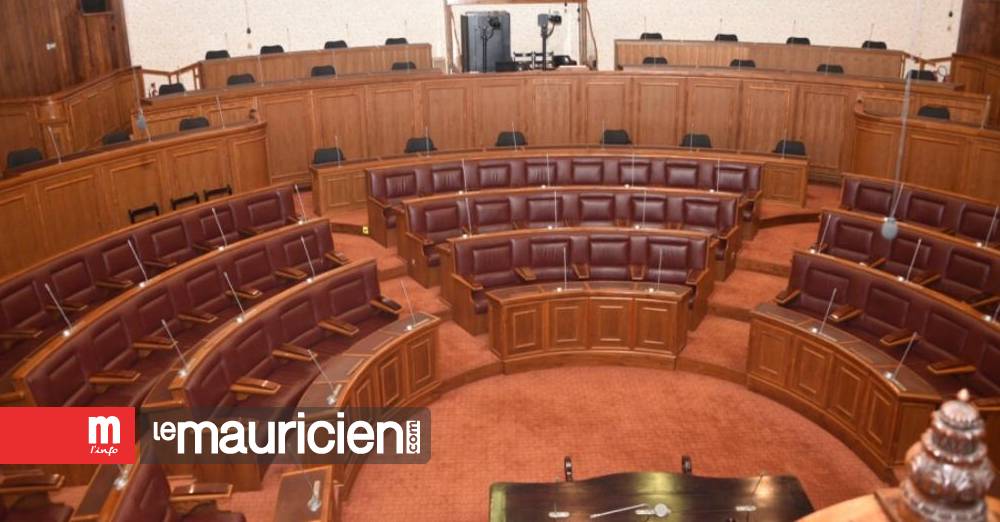
Kreol dominates electoral campaigns, political meetings and exchanges between elected officials and the population. It is in this language that the candidates ask for the trust of citizens, explain their programs and defend their ideas on the platforms. However, once elected and installed in the hemicycle, they must officially speak in English or French.
This contradiction could begin to disappear. According to the Order Paper dated July 31, the Prime Minister will propose on Tuesday the creation of a special committee composed of deputies appointed by the Speaker, Shirin Aumeeruddy-Cziffra.
The committee will have to examine the introduction of Kreol Morisien into parliamentary debates and all the questions related to it. He will have the power to summon people, request documents and consult the archives necessary for his work.
It will notably study the report of the Steering Committee, chaired by the Speaker and dated March 12, 2026. It may also bring in specialist advisors, including linguists, lawyers, translators and digital transcription experts.
The entry of Kreol into Parliament first responds to a social reality. According to the 2022 census, 90% of the population declares that they only speak Kreol at home. Its use goes beyond community, religious and social affiliations. It allows Mauritians of African, European, Indian and Chinese origins to communicate immediately with each other.
Kreol is the language of the family, of the street, of the market, of transport, of work, of friendship and humor. It is also the one in which citizens most naturally express their concerns, their anger and their hopes. It is therefore not the language of a particular community, but the main linguistic space shared by the population.
Its absence from official debates creates a distance between the institutions and those they represent. Parliamentary television now allows citizens to follow the sessions, but this opening remains incomplete if a part of the population does not have sufficient command of English or French to understand the laws, reforms and decisions discussed on their behalf.
Authorizing Kreol would allow citizens to directly follow the arguments of elected officials, without depending on a translation or summary. A democracy is not only based on the right to vote. It also presupposes the right to understand.
The main obstacle remains legal. Article 49 of the Constitution provides that English is the official language of the National Assembly, while allowing deputies to address the presidency in French. Standing Order 5 takes up this provision and does not yet provide for the official use of kreol.
The future committee will have to determine
Enjoying Mauritius News in English?
You've used 5 of your 5 free articles today. Subscribe for unlimited access plus a daily newsletter.